Drydock project planning: separate the scope from the assumptions
A drydock planning brief should explain what the project team wants reviewed, which documents support that request and who owns each decision. It should distinguish coordination from engineering approval and inspection. This guide concerns information organisation, not technical instructions or a confirmation that Blue Harbor delivers surveys, repairs or certified engineering services.
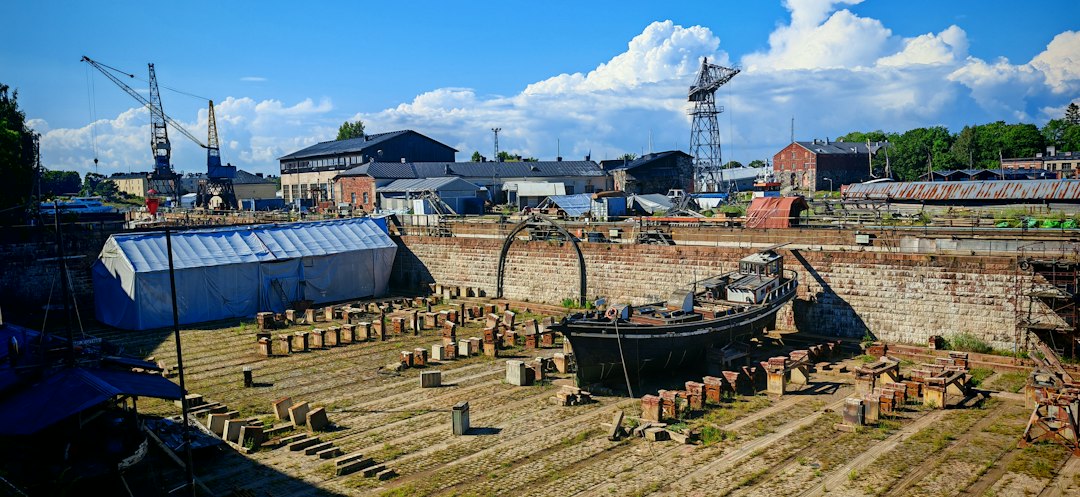
Illustrative photograph · Sven Träger / Unsplash
This photograph does not depict a provider, available product or company project.
01
Define the reason for the project
State whether the enquiry concerns planned maintenance, an identified issue, a commercial timetable or a scope review. Record the source of the request and the intended outcome without diagnosing a technical problem. A clear purpose helps the relevant qualified people decide which information and inspections are necessary.
02
Create a controlled document list
List available specifications, prior reports, drawings and correspondence by title, date and revision. Mark superseded or missing material. Do not circulate documents simply because they are attached to an old email; confirm their relevance and permission to share. This public guide is not a document-upload service.
03
Separate decisions and responsibilities
Distinguish the owner or operator’s decisions, the yard’s proposed work, a surveyor’s findings and any authority-specific requirements. Name the party expected to approve a scope change. Coordination should not be described as certification, class approval or legal representation unless the actual provider and authority have been verified.
04
Build an exception and change record
For each new item, capture the observed issue, source, requested action, responsible reviewer and current decision status. Keep the original scope visible when changes are proposed. Unknown quantities, dates or costs should be marked provisional, rather than silently inserted into an apparently agreed schedule.
05
Review the commercial assumptions
Ask the appropriate parties to clarify access windows, information deadlines, inclusions, exclusions and the effect of scope changes. Do not infer a yard slot, fixed price or completion date from a general service description. A planning comparison should show the basis of each estimate, not manufacture certainty.
06
Agree the engagement before sharing
Confirm the actual advisory team, qualifications relevant to the work, scope, fees, communication process and stop conditions. Blue Harbor’s technical path is presently a planned enquiry framework. No qualified personnel, approved survey service, operational capacity or working submission channel is established by this page.
Related paths
Vessel brokerage enquiries: distinguish requirements from a mandate →
Marine technical enquiries: define review, coordination and responsibility →